Textile bearing About
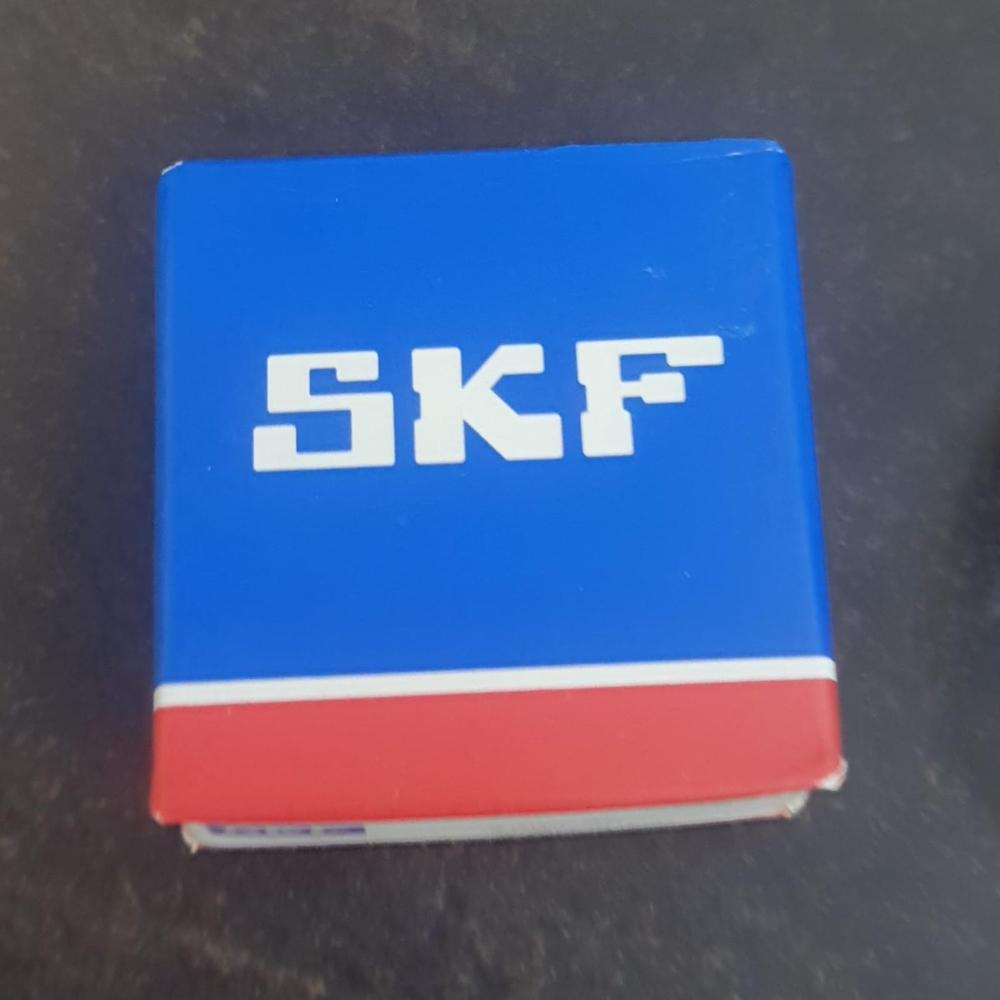
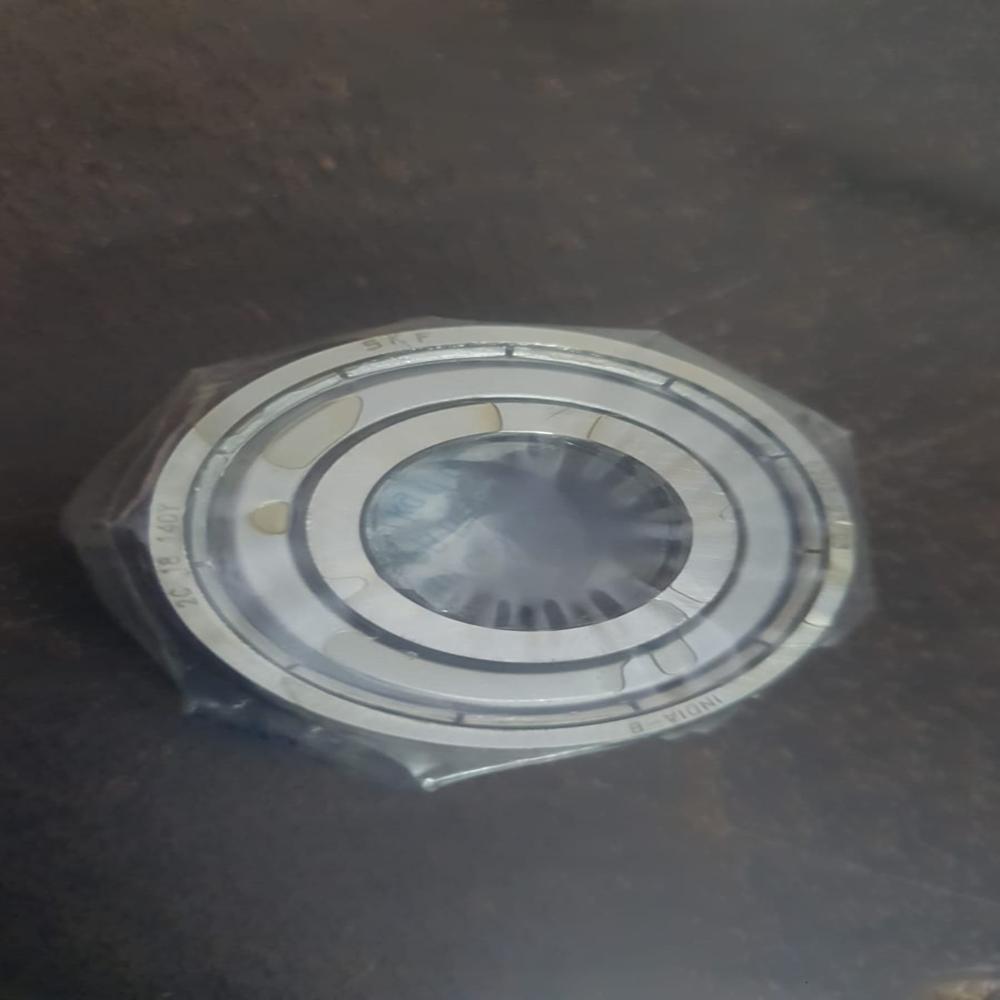
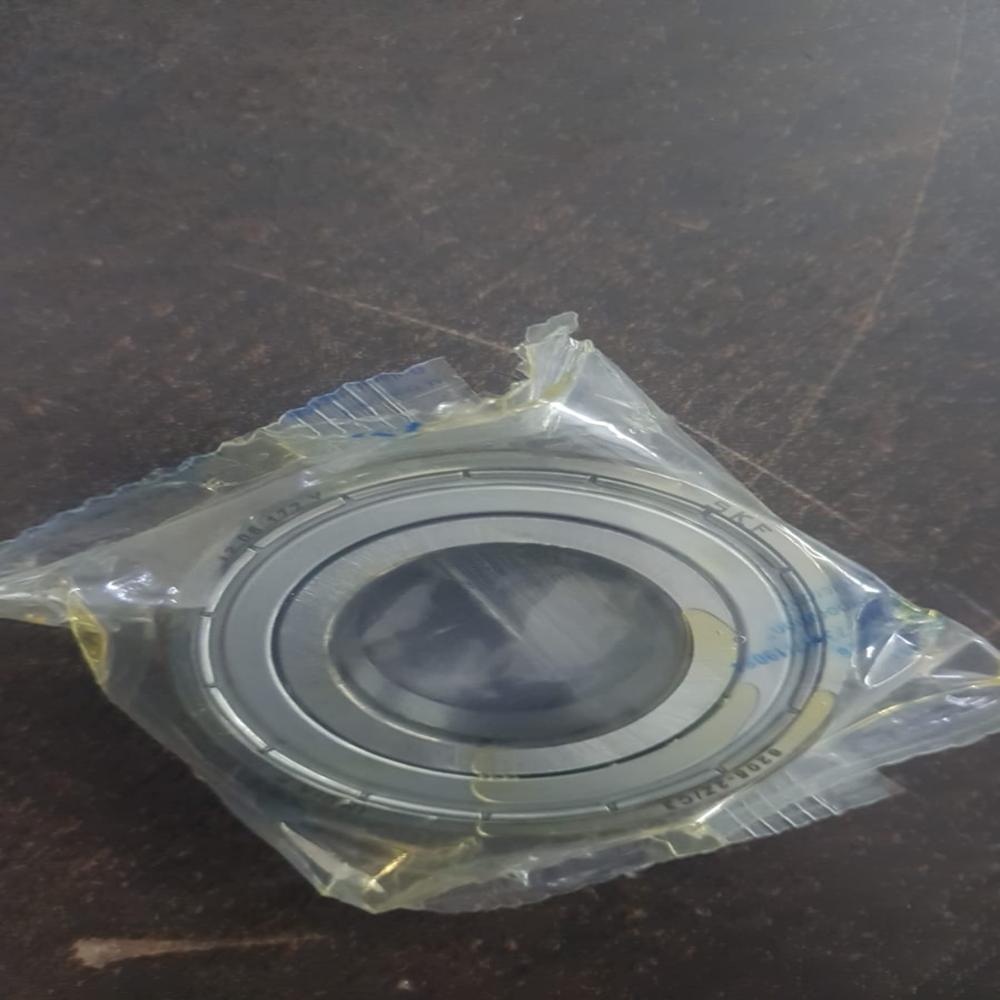
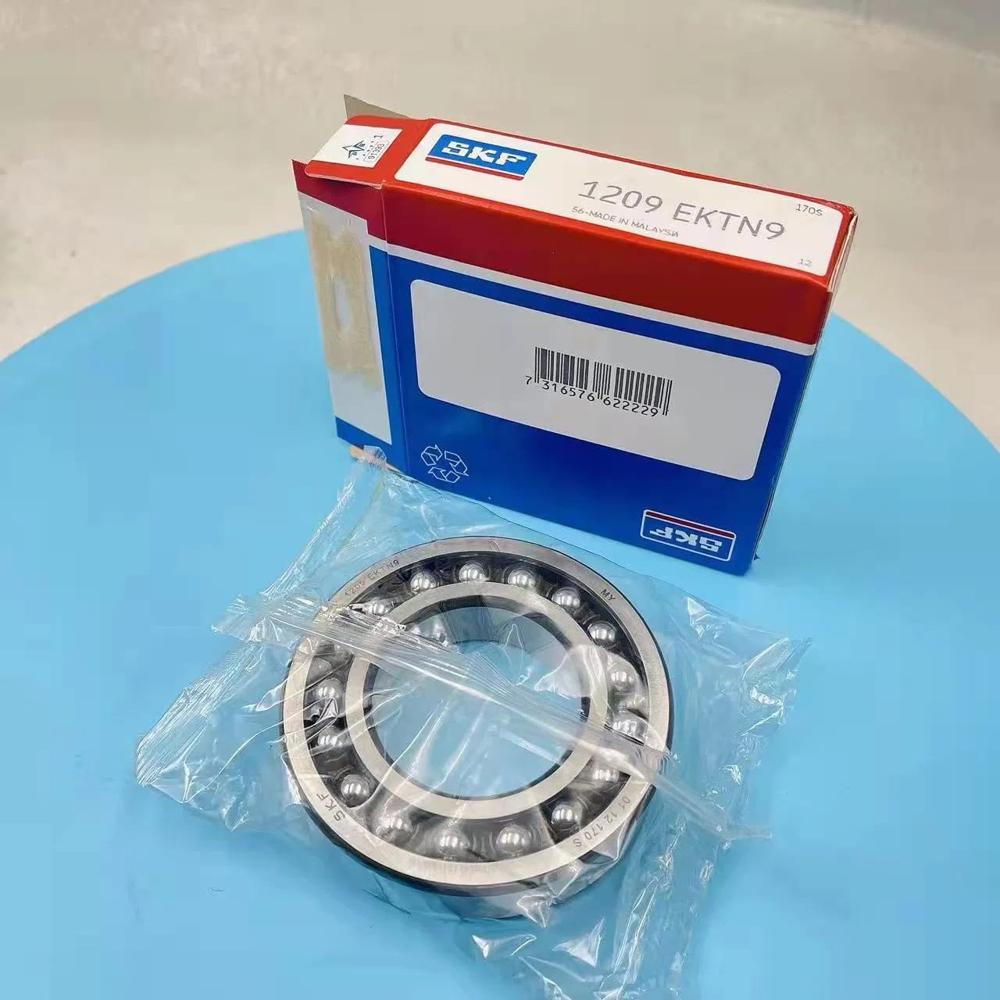
An SKF ball bearing isa rolling-element bearing that uses balls to separate the moving parts, allowing them to rotate with less friction and supporting both radial and axial loads depending on the specific type.Common SKF ball bearings include deep groove ball bearings, known for their versatility, low noise, and high-speed capability, and thrust ball bearings, designed solely for axial load applications.SKF also offers specialized super-precision ball bearings for high-accuracy, high-speed applications, as well as ball bearing units that combine an insert bearing with a housing for ease of mounting.
Types of SKF Ball Bearings
-
These are the most versatile type, characterized by their simple, robust design and low friction.They are suitable for high speeds, can handle both radial and axial loads in both directions, and require minimal maintenance.
-
These bearings are designed specifically to support axial (thrust) loads only and must not be subjected to radial loads.They come in single-direction and double-direction types.
-
These are available in various designs (e.g., high-capacity, high-speed) and can be mounted singly or in matched sets for specific operating conditions requiring a high level of precision.
-
These are pre-assembled units consisting of a deep groove ball bearing housed in a matching housing.They simplify the mounting process and accommodate moderate initial misalignment.
-
Low Friction:
The rolling action of the balls minimizes friction, allowing for efficient movement.
-
High-Speed Capability:
Many SKF ball bearings are optimized for high-speed applications.
-
Load Capacity:
They are designed to handle both radial and axial loads, though specific types are specialized for certain load directions.
-
Versatility:
Different types of ball bearings are suitable for a wide range of industrial and mechanical applications.
-
Maintenance:
Deep groove ball bearings, in particular, require relatively little maintenance
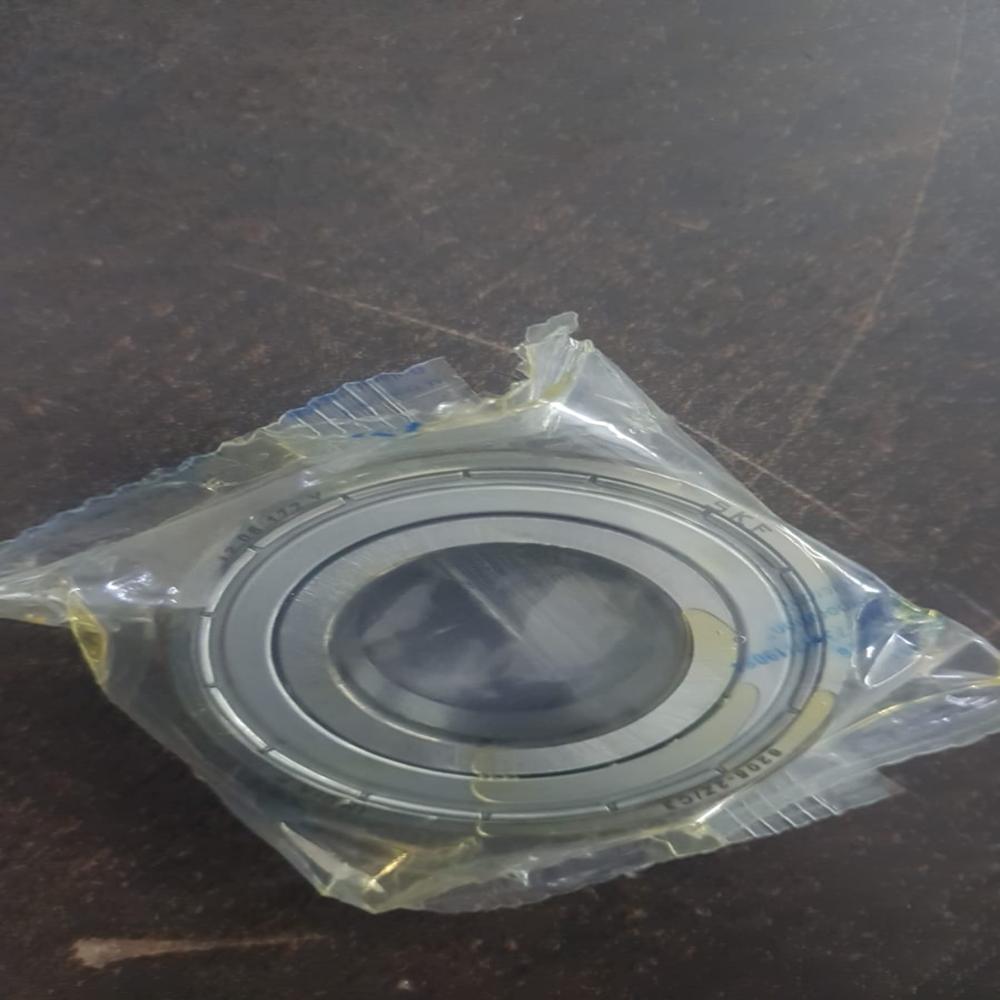
Engineered for EfficiencyCombining precision engineering with robust materials, this textile bearing enhances machinery longevity. The rubber shield provides superior protection against contaminants, making it ideal for textile environments. Its deep groove ball bearing structure minimizes friction, ensuring smooth operation and extended service intervals.
Versatile Industrial ApplicationDesigned for integration with motors, pumps, and textile machines, this bearing's single row construction and compact dimensions support versatile installation. Boasting a high load capacity and operational speed, it is suitable for demanding industrial contexts throughout India.
FAQ's of Textile bearing:
Q: How is the textile bearing installed in motors, pumps, or textile machines?
A: The textile bearing is fitted within the mounting housing, aligning its 20mm bore with the machine shaft. Standard press-fit or slip-fit methods are used, ensuring the rubber shield is positioned to provide optimal sealing against contaminants.
Q: What advantages does the rubber shield offer for this bearing?
A: The rubber shield on this bearing enhances its resistance to dust, moisture, and textile fibers, significantly prolonging service life and reducing maintenance frequency in high-debris environments common to textile manufacturing.
Q: When should the textile bearing be replaced in machinery?
A: Replacement is recommended when you observe noise, increased vibration, reduced machine efficiency, or visible damage such as wear to the rubber shield. Regular inspections can help predict timely replacement.
Q: Where can I source this textile bearing in India?
A: This textile bearing is available from authorized distributors, manufacturers, suppliers, and traders throughout India. Many provide both direct purchase and after-sales support.
Q: What is the process for ensuring correct bearing fit and performance?
A: Before installation, verify the dimensions-bore size, outside diameter, and thickness-against machinery specifications. Lubricate the bearing if required and check the fit to minimize any misalignment, which ensures optimal RPM and load management.
Q: How does the deep groove ball bearing structure benefit textile machine usage?
A: The deep groove ball bearing design provides low-friction operation and superior radial and axial load capacity. This leads to smoother machine performance, reduced wear, and improved energy efficiency-crucial for textile machine productivity.
Q: What limitations should I be aware of regarding the bearing's speed and load capacity?
A: This bearing's limiting speed is 1800 RPM, and its load capacity is rated at 127KN Tonne. Exceeding these parameters could result in overheating or premature failure, so operation within these limits is advised for maximum reliability.






 Send Inquiry


 Send Inquiry